The iconic national motto of India, Satyameva Jayate Upanishad, finds its authentic roots etched deep within the sacred verses of the ancient Mundaka Upanishad. As seekers of Sanatan philosophy navigate the complexities of modern existence, returning to this foundational text offers a timeless anchor for moral clarity, spiritual awakening, and realization of the ultimate cosmic reality. Welcome to InVedas, your sacred digital sanctuary curated by Pardeep Patel, where we explore the profound heritage of the Vedas and Upanishads.
In this comprehensive scholarly guide, we will unpack the exact scriptural source of the phrase “Satyameva Jayate Nanritam,” examine its original Sanskrit shloka with Devanagari script and IAST transliteration, break down its word-by-word philosophical components, and explore how this eternal declaration guides the spiritual seeker from darkness to supreme illumination.
Table of Contents
Origin & Structure of the Mundaka Upanishad
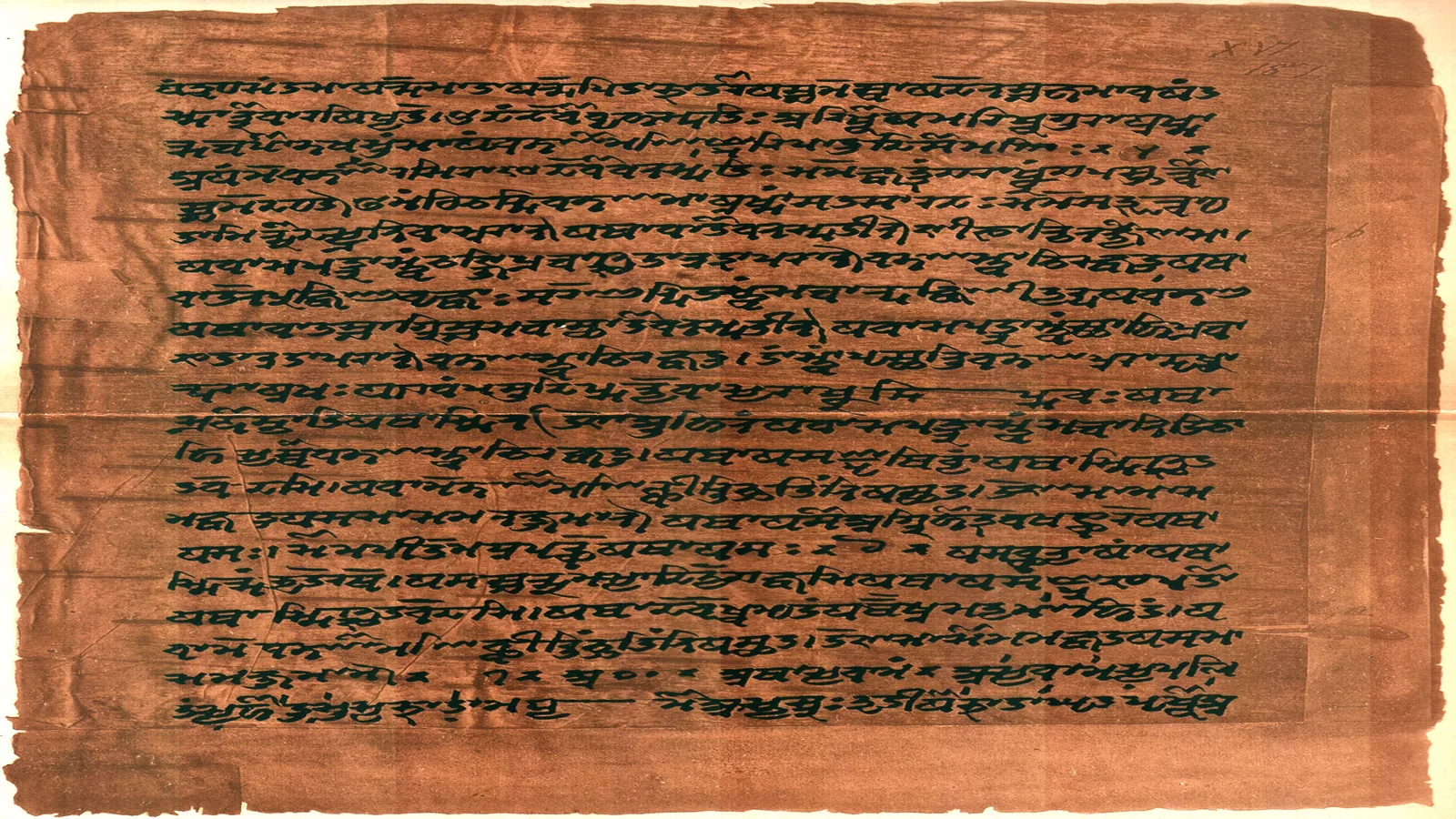
The Satyameva Jayate Upanishad—formally recognized as the Mundaka Upanishad—belongs to the Atharva Veda. The word Mundaka derives from Munda, meaning a shaven head or a razor. In ancient Vedic tradition, this implies that the text “shaves away” the impurities of ignorance, cutting through delusion just as a sharp razor trims away hair.
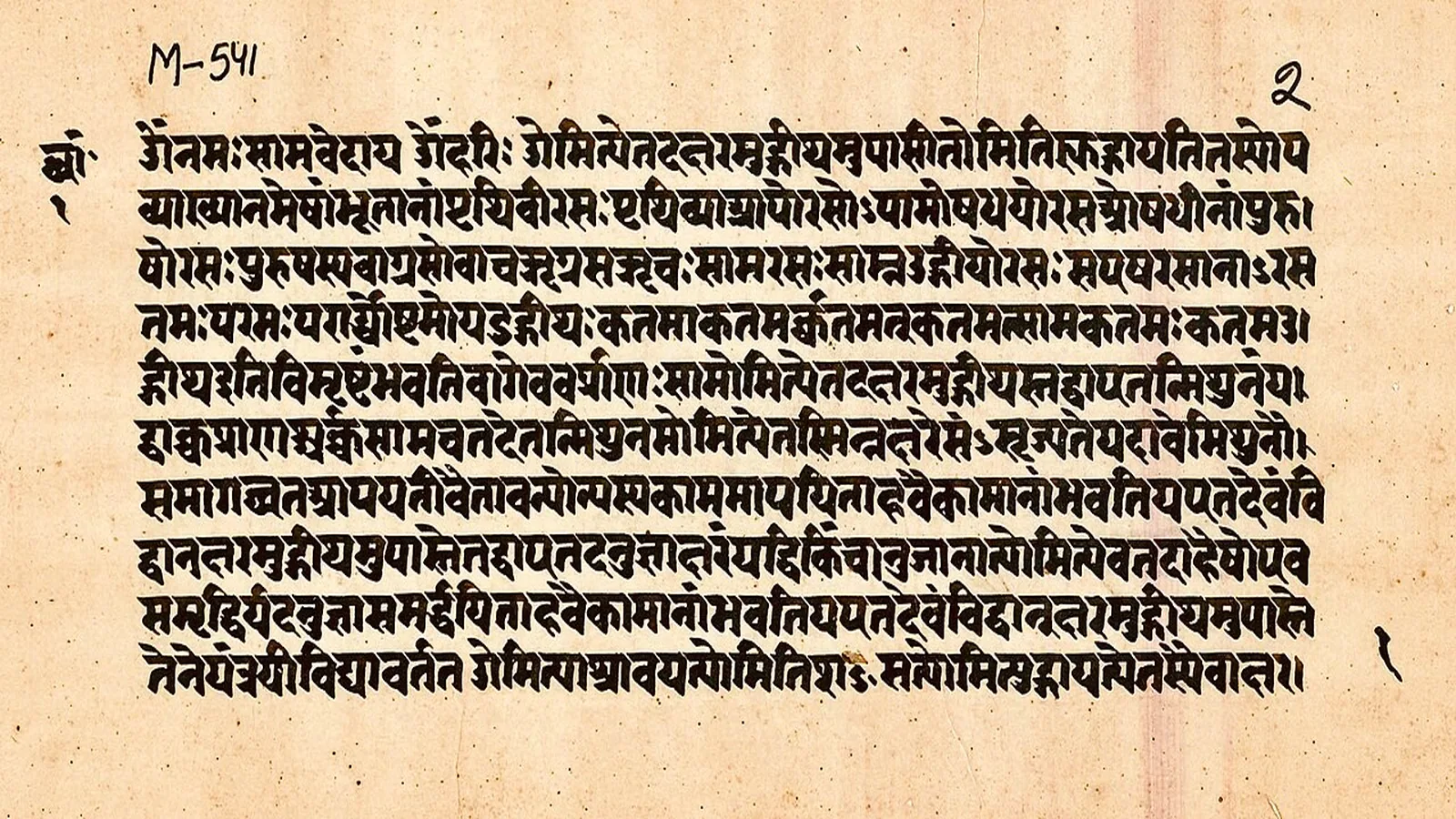
Structurally, the Mundaka Upanishad is concise yet tremendously profound, divided into three Mundakas (chapters), each containing two parts or Khandas. It famously establishes the distinction between Para Vidya (higher spiritual knowledge concerning the immutable Brahman) and Apara Vidya (lower empirical knowledge concerning rituals, grammar, and worldly sciences). Just as true knowledge dissolves material bondage, deeper study of Vedic texts like the Samaveda Chanting Music reveals how sound and vibration underpin the very fabric of creation.
The Iconic Shloka: Sanskrit, IAST & Word-by-Word Meaning
The celebrated proclamation “Satyameva Jayate” forms the first half of Mundaka Upanishad, Mundaka 3, Khanda 1, Verse 6. Below is the complete verse presented in authentic Devanagari script, followed by its exact IAST transliteration and word-by-word breakdown.
सत्यमेव जयते नानृतं सत्येन पन्था विततो देवयानः।
येनाक्रमन्त्यृषयो ह्याप्तकामा यत्र तत् सत्यस्य परमं निधानम्॥ ६॥Satyameva jayate nānṛtaṁ satyena panthā vitato devayānaḥ |
Yenākramantyṛṣayo hyāptakāmā yatra tat satyasya paramaṁ nidhānam || 6 ||Padachheda (Word Separation):
Satyam eva jayate na anṛtam satyena panthāḥ vitataḥ deva-yānaḥ / Yena ākramanti ṛṣayaḥ hi āpta-kāmāḥ yatra tat satyasya paramam nidhānam.Word-by-Word Meaning:
- Satyam: Truth
- Eva: Indeed / Alone
- Na: Not
- Anṛtam: Untruth / Falsehood
- Satyena: By truth
- Panthāḥ: The path
- Vitataḥ: Spread out / Paved
- Deva-yānaḥ: The path of the gods / Divine journey
- Yena: By which
- Ākramanti: Ascend / Travel
- Ṛṣayaḥ: The seers / Sages
- Hi: Indeed / Because
- Āpta-kāmāḥ: Those whose desires are fulfilled (self-realized souls)
- Yatra: Where
- Tat: That
- Satyasya: Of Truth (Brahman)
- Paramam: Supreme
- Nidhānam: Abode / Treasury
Core Philosophical Analysis: Truth vs. Illusion
When the Satyameva Jayate Upanishad declares that truth alone triumphs and never untruth, it operates on both an ethical level and an absolute metaphysical plane. In Sanatan philosophy, Satya does not merely refer to telling the truth in daily speech; it represents Brahman—the unchanging, eternal, and immutable reality underlying the universe.
Conversely, Anṛta (untruth) represents Maya—the fleeting, illusory world of names, forms, and transient sensory experiences. While falsehoods and ego-driven manipulations may achieve temporary dominance in the material realm, their victory is inherently unsustainable because they contradict the foundational order (Rta) of the cosmos. Just as the Hiranyagarbha Sukta describes the birth of the golden womb from primordial chaos, true reality always emerges triumphant over confusion.
The verse emphasizes that the path of the gods (Devayana) is paved entirely by truth. Sages who have conquered all material cravings (Apta-kamah) ascend along this luminous highway to reach the supreme abode of Truth—the realization of oneness with Brahman.
Practical Modern Application of Satyameva Jayate
Adopted officially as India’s national motto upon the recommendation of Pandit Madan Mohan Malaviya, this verse holds immense relevance for individuals navigating modern professional, social, and spiritual environments.
- Ethical Integrity: Upholding honesty in business, governance, and personal relationships builds long-term inner peace and social trust.
- Mental Equanimity: Recognizing that transient setbacks caused by deceit are temporary helps practitioners maintain steadfast emotional balance.
- Spiritual Focus: Directing mental energy away from illusions (material greed, ego) toward inner spiritual Truth aligns one with cosmic harmony.
Closing Shanti Mantra
We conclude our study of the Mundaka Upanishad with the traditional peace chant invoked by students and teachers of this sacred text:
ॐ भद्रं कर्णेभिः शृणुयाम देवा भद्रं पश्येमाक्षभिर्यजत्राः।
स्थिरैरङ्गैस्तुष्टुवांसस्तनूभिव्यशेम देवहितं यदायुः॥
ॐ शान्तिः शान्तिः शान्तिः॥Om Bhadraṁ karṇebhiḥ śṛṇuyāma devā bhadraṁ paśyemākṣabhiryajatrāḥ |
Sthirairaṅgaistuṣṭuvāṁsastanūbhivyaśema devahitaṁ yadāyuḥ ||
Om Śāntiḥ Śāntiḥ Śāntiḥ ||Translation: O Gods, may we hear what is auspicious with our ears; may we see what is auspicious with our eyes while engaged in worship. May we enjoy a life allotted by the gods, robust in body and limb, offering our praise. Om Peace, Peace, Peace.
Read More on InVedas
- Tat Tvam Asi Meaning: The Ultimate Truth of Non-Dual Reality (2026)
- Hiranyagarbha Sukta (Rigveda 10.121): Meaning & Creation Hymn
- Samaveda Chanting Music: Nada Brahma & Cosmic Roots (2026)
- Bhagavad Gita 2.47 Meaning: Karmanye Vadhikaraste & Action
Frequently Asked Questions
Which Upanishad does “Satyameva Jayate” come from?
The phrase “Satyameva Jayate” originates directly from the Mundaka Upanishad, specifically Mundaka 3, Khanda 1, Verse 6.
What is the full meaning of “Satyameva Jayate Nanritam”?
It translates to “Truth alone triumphs, not untruth.” It signifies that ultimate reality and righteousness always prevail over temporary illusion and falsehood.
Which Veda is the Mundaka Upanishad attached to?
The Mundaka Upanishad belongs to the Atharva Veda and is revered as one of the principal Mukhya Upanishads studied by Vedantic scholars.
Why is it called the Mundaka Upanishad?
The term Mundaka comes from Munda (shaven head), symbolizing that the text shaves away the ignorance and delusions of the human mind.
How is “Satyameva Jayate” used in modern India?
It serves as the national motto of India, inscribed in Devanagari script at the base of the National Emblem (the Lion Capital of Ashoka).