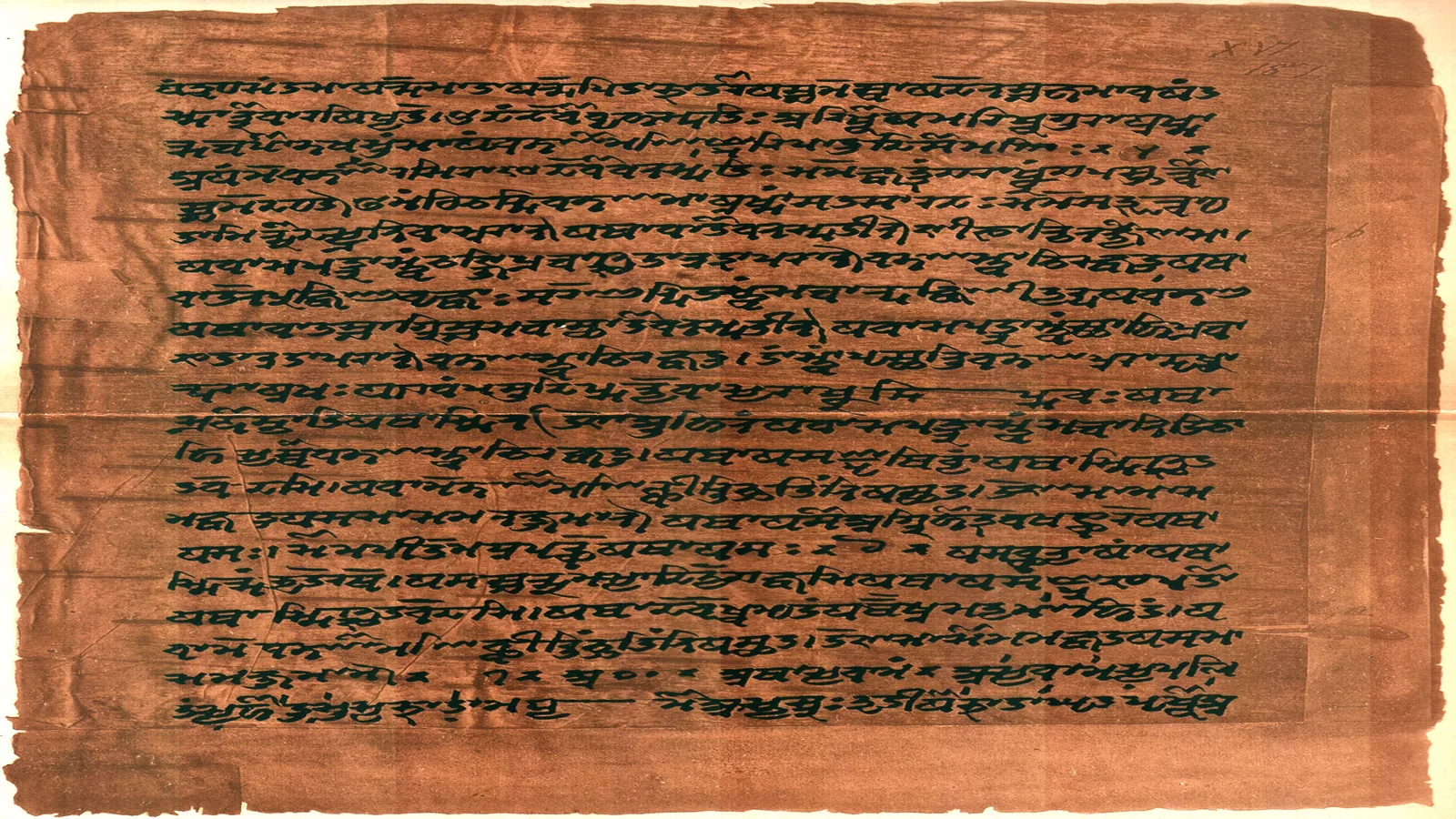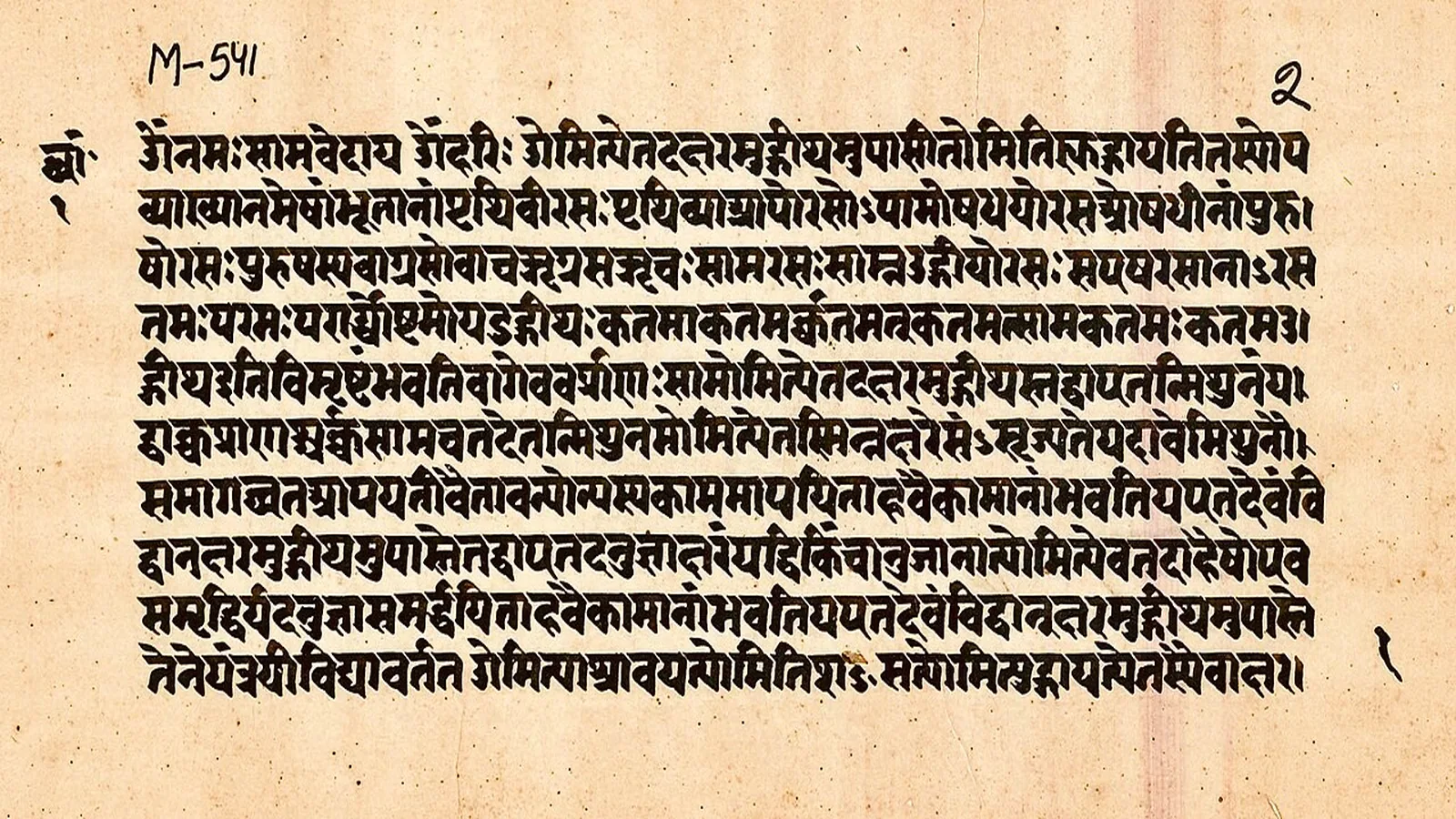

The Vak Sukta Devi Sukta, famously preserved as hymn 10.125 of the ancient Rigveda, stands as one of the most profound spiritual utterances in human history. Composed by the visionary female sage Vak, the daughter of Rishi Ambhrin, this hymn establishes the Goddess of Speech as the supreme, all-pervading substratum of the universe. Long before classical Puranic traditions formalized the worship of the Divine Mother, Vedic seers recognized speech not merely as a tool for human communication, but as the primordial vibration (*Nada Brahma*) that projects, sustains, and dissolves the cosmos.
In this comprehensive scholarly exploration, we will examine the structure, authentic Sanskrit verses, word-by-word meanings, and deep non-dual (*Advaita*) philosophy embedded within the Vak Sukta. Whether you are a student of Sanatan Dharma, a practitioner of Vedic chanting, or a seeker exploring the roots of primordial energy, understanding this hymn offers direct access to the ultimate nature of consciousness and speech.
By studying the Vak Sukta alongside cognate texts like the Hiranyagarbha Sukta, we uncover a unified Vedic worldview where divine feminine power (*Shakti*) and pure consciousness are completely non-different. Let us embark on this sacred journey into the heart of Vedic revelation.
Table of Contents
Origin and Structure of the Vak Sukta
The Vak Sukta belongs to the tenth mandala (*Mandala 10*) of the Rigveda, a section known for its advanced metaphysical speculation and cosmological inquiries. The seer of this hymn is Vak Ambhrini—Vak, the daughter of Sage Ambhrin. In an extraordinary breakthrough of spiritual realization, the rishika identifies her innermost self not as a finite human being, but as the supreme Goddess who energizes the entire universe.
Consisting of eight powerful mantras in the *Tristubh* meter (each verse containing four quarters of eleven syllables), the hymn is structured as a direct autobiographical monologue by the Goddess. She declares her sovereignty over all gods, her presence in the natural elements, and her role as the ultimate queen who holds the universe together. Because of its foundational status regarding the Divine Mother, later traditions—particularly the Shakta recensions—closely associate the Vak Sukta with the famous *Devi Sukta* of the Devi Mahatmyam (Markandeya Purana).
The structural progression of the Sukta moves from cosmic sovereignty to personal immanence:
- Verses 1-2: The Goddess declares her dominion over the Rudras, Vasus, Adityas, and All-Gods, sustaining the entire cosmic order.
- Verses 3-5: She describes herself as the queen of riches, the first among those worthy of sacrifice, and the animating breath within every living creature.
- Verses 6-8: She concludes by revealing her transcendental source beyond heaven and earth, resting in her own glory as the ultimate uncaused cause.
Authentic Sanskrit Shlokas & IAST Transliteration
To truly appreciate the power of the Vak Sukta Devi Sukta, one must engage with its original Vedic Sanskrit. Below is the first verse of Rigveda 10.125 in Devanagari script, followed by its precise International Alphabet of Sanskrit Transliteration (IAST).
अ॒हं रु॒द्रेभि॒र्वसु॒भिश्च॑राम्य॒हमादित्यै॒रुत॒ विश्व॑देवैः।
अ॒हं मित्रा॒वरुणा॒भ्यां बिभर्त्य॒हमिन्द्रा॑ग्नी॒ अ॒हमश्विनावुभौ॥Ahaṁ rudrebhir vasubhiś caramy aham ādityair uta viśvadevaiḥ |
Ahaṁ mitrāvaruṇābhyāṁ bibharty aham indrāgnī aham aśvināv ubhau ||Translation:
“I move with the Rudras and the Vasus, with the Adityas and with the All-Gods. I support both Mitra and Varuna, both Indra and Agni, and both the Ashvins.”
This verse immediately shatters any notion that the Vedic gods are separate, independent deities competing for supremacy. Instead, a single divine feminine principle—Vak—underpins and sustains every major celestial power in the pantheon.
Word-by-Word Meaning (Padachheda & Anvaya)
Analyzing the grammatical components (*Padachheda*) of the Vedic text reveals the precision of Sanskrit terminology. In verse 1:
- अहम् (Aham): I (the Supreme Consciousness)
- रुद्रेभिः (Rudrebhiḥ): With the eleven Rudras (storm and dissolution deities)
- वसुभिः (Vasubhiḥ): With the eight Vasus (elemental deities of nature)
- चरामि (Carāmi): I move, roam, and pervade
- आदित्यैः (Ādityaiḥ): With the twelve Adityas (solar deities)
- उत (Uta): And, also
- विश्वदेवैः (Viśvadevaiḥ): With the collective All-Gods
- मित्रावरुणाभ्याम् (Mitrāvaruṇābhyām): Mitra (deity of prana/contracts) and Varuna (deity of cosmic waters/law)
- बिभर्ति (Bibharti): I support, nourish, and uphold
- इन्द्राग्नी (Indrāgnī): Indra (king of gods) and Agni (fire god)
- अश्विनौ उभौ (Aśvinau Ubhau): Both the divine physicians, the Ashvins
Through this *Anvaya* (logical prose order), the text establishes that every force governing external nature is merely a localized manifestation of the supreme energy of Vak.
Core Philosophical Analysis: Advaita & Shakti
The philosophical depth of the Vak Sukta transcends simple polytheism. Centuries later, master commentators like Adi Shankaracharya and modern non-dualists recognized in these verses the seeds of pure *Advaita Vedanta*. When the Goddess declares, *”I am the queen, the gatherer of treasures, knowing, the first of those worthy of sacrifice”* (Rigveda 10.125.3), she is identifying herself with *Brahman*—the ultimate, unchanging reality.
In Kashmir Shaivism and Shakta philosophy, the Vak Sukta is regarded as the ultimate expression of *Vak* as the four levels of speech:
- Para: The supreme, unmanifested transcendent vibration located at the navel (*Muladhara*).
- Pashyanti: The subtle visual and intentional level located at the heart.
- Madhyama: The intermediate mental level of intellect and thought.
- Vaikhari: The gross, spoken articulation audible to the human ear.
By understanding that audible human speech is simply the densest crystallization of a cosmic divine energy, practitioners learn to treat words with immense reverence. Speech becomes a sacred act of creation rather than mundane noise.
Practical Modern Application and Chanting
In our modern era of digital noise and fragmented communication, meditating upon the Vak Sukta Devi Sukta offers a transformative grounding practice. Ancient rishis chanted these hymns not merely as historical recitations, but as vibrational keys to align the human nervous system with cosmic order (*Rta*).
- Mindful Speech (*Vak-Suddhi*): Recognizing that speech is divine power encourages practitioners to eliminate harsh, untruthful, or careless words, treating speech as an offering into the fire of awareness.
- Vedic Chanting: Daily or weekly recitation of the eight mantras of Rigveda 10.125 cultivates inner strength, courage, and vocal resonance.
- Empowerment of the Feminine: The hymn serves as an eternal reminder of the inherent divinity of women and feminine energy, dissolving cultural biases through scriptural authority.
Read More on InVedas
Expand your understanding of Vedic scriptures and Sanatan philosophy by exploring these curated articles on InVedas:
- Hiranyagarbha Sukta (Rigveda 10.121): Meaning & Creation Hymn
- Samaveda Chanting Music: Nada Brahma & Cosmic Roots (2026)
- Satyameva Jayate Upanishad (2026): Meaning & Truth Path
- Tat Tvam Asi Meaning: The Ultimate Truth of Non-Dual Reality (2026)
Frequently Asked Questions
1. What is the Vak Sukta, and where is it found?
The Vak Sukta is hymn 10.125 of the Rigveda. It is an 8-verse hymn composed by Rishi Vak Ambhrini, celebrating speech as the primordial cosmic power and ultimate divine reality.
2. Who is the seer (Rishika) of the Vak Sukta?
The seer of the hymn is Vak, the daughter of Sage Ambhrin. Having attained direct realization of the supreme truth, she speaks in the first person as the Goddess herself.
3. What is the connection between Vak Sukta and Devi Sukta?
While the Rigvedic hymn is technically the Vak Sukta, its profound theme of the Divine Mother as the supreme sovereign caused later Shakta traditions to adopt it as the primary Devi Sukta, closely linking it with the Devi Mahatmyam.
4. How does the Vak Sukta relate to Advaita Vedanta?
The Sukta proclaims a radical non-dualism (*Advaita*), where the speaker realizes that her true nature is identical with the supreme cosmic consciousness that sustains all gods, humans, and worlds.
5. What are the four levels of Vak mentioned in Vedic philosophy?
Derived from Vedic insights, the four levels of speech are Para (transcendent), Pashyanti (subtle intent), Madhyama (mental formulation), and Vaikhari (audible spoken word).
Om Shantiḥ Shantiḥ Shantiḥ Hariḥ Om. May the primordial power of divine speech illuminate our minds and guide our words toward truth, harmony, and universal peace.