The Samjnana Sukta Rigveda stands as one of the most profound and soul-stirring hymns in the entire corpus of Sanatan literature. Found in the final mandala of the oldest scripture (Rigveda 10.191), this sacred composition transcends mere ritualistic prayer to offer an enduring blueprint for human coexistence, shared consciousness, and collective harmony. In an era marked by fragmentation and discord, the timeless message of *Samjnana*—which translates to “concord,” “sameness of mind,” or “harmonious understanding”—acts as a powerful spiritual anchor.
Welcome to InVedas, your sacred digital sanctuary for deep Vedic wisdom. In this comprehensive scholarly exploration, we will examine the origin, structure, authentic Sanskrit text, profound philosophical commentary, and practical modern applications of the Samjnana Sukta. Whether you seek to understand the foundational ethics of the Vedas or desire a blueprint for community cohesion, this guide illuminates the path shown by ancient seers.
Table of Contents
Origin and Canonical Structure in the Rigveda
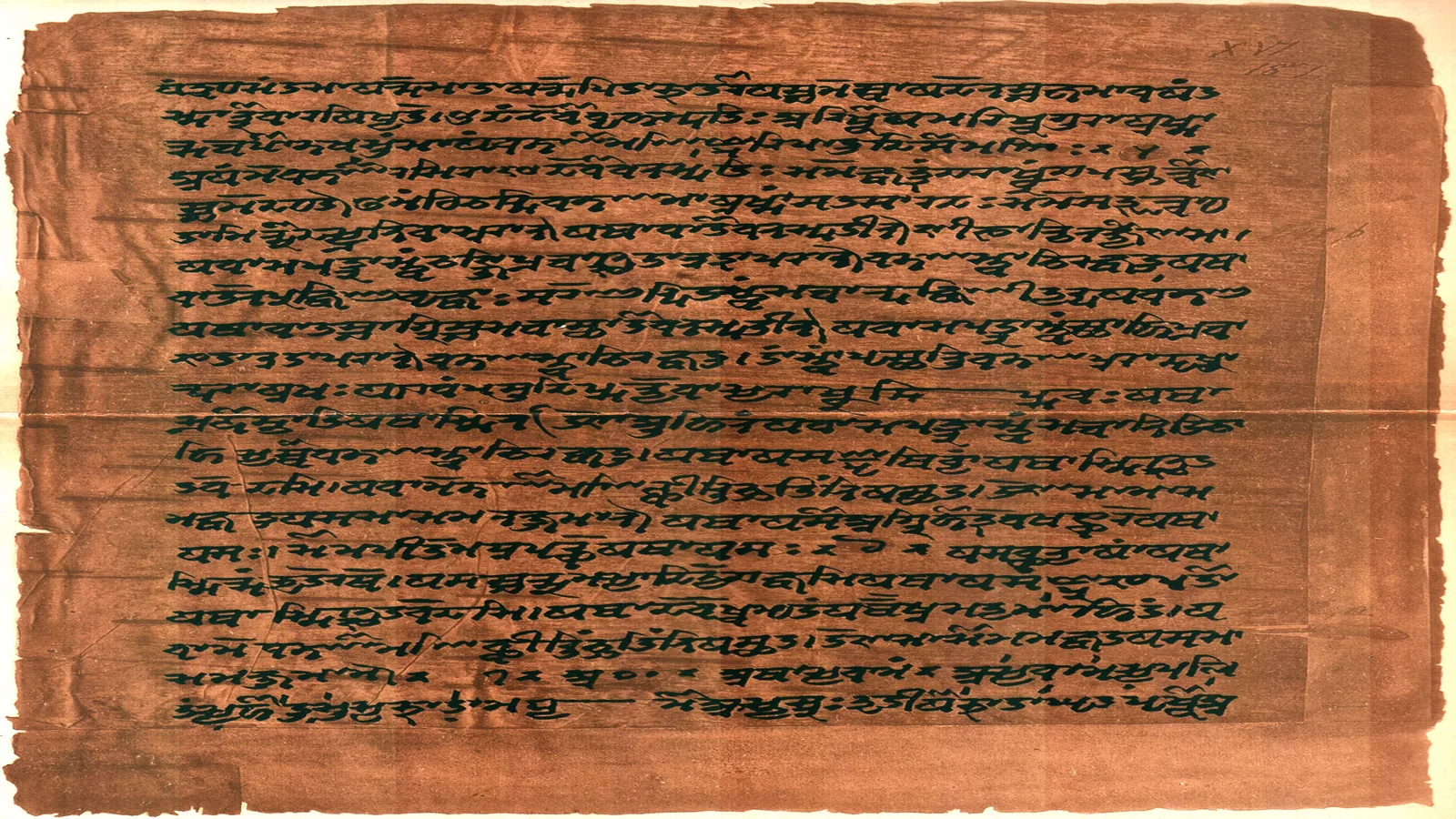
The Samjnana Sukta is enshrined as the 191st hymn of the tenth and final mandala of the Rigveda. Authored by the revered sage Saṃvarta of the Angirasa lineage, this hymn consists of just four powerful verses. Despite its brevity, it packs an immense philosophical wallop, serving as the concluding note of the Rigvedic collection of hymns. It is traditionally chanted during grand collective rituals, spiritual gatherings, and national integration ceremonies to invoke divine blessings for unbroken harmony among people.
In the broader context of ancient Vedic literature, hymns like this demonstrate that the seers were not merely focused on material wealth or celestial afterlives. They cared deeply about social cohesion. Much like the Hiranyagarbha Sukta (Rigveda 10.121), which explores the cosmic origin of the universe, the Samjnana Sukta bridges the macrocosm and microcosm, asserting that human society must mirror the divine order of the cosmos through cooperation and mutual respect.
Authentic Sanskrit Shlokas & IAST Transliteration
To truly absorb the vibrational resonance and spiritual gravity of the Samjnana Sukta Rigveda, one must study the original Sanskrit verses alongside their International Alphabet of Sanskrit Transliteration (IAST) equivalents.
सङ्गच्छध्वं सं वदध्वं सं वो मनांसि जानताम्। देवा भागं यथा पूर्वे सञ्जानाना उपासते॥१॥
Saṅgacchadhvaṁ saṁ vadadhvaṁ saṁ vo manāṁsi jānatām | Devā bhāgaṁ yathā pūrve sañjānānā upāsate || 1 ||
समानो मन्त्रः समितिः समानी समानं मनः सह चित्तमेषाम्। समानं मन्त्रमभि मन्त्रये वः समानेन वो हविषा जुहोमि॥२॥
Samāno mantraḥ samitiḥ samānī samānaṁ manaḥ saha cittameṣām | Samānaṁ mantramabhi mantraye vaḥ samānena vo haviṣā juhomi || 2 ||
समानी व आकूतिः समाना हृदयानि वः। समानमस्तु वो मनो यथा वः सुसहासति॥३॥
Samānī vā ākūtiḥ samānā hṛdayāni vaḥ | Samānamastu vo mano yathā vaḥ susahāsati || 3 ||
नमो ब्रह्मणे
Word-by-Word Meaning & Padachheda
A granular linguistic examination reveals the deep ethical commands embedded in the poetry of Rishi Saṃvarta. Let us break down the foundational first verse word by word:
| Sanskrit Word (Padachheda) | Grammatical Root / Component | Literal Meaning |
|---|---|---|
| Saṅgacchadhvam | Sam + gaccha (to go) | Move together, unite in action |
| Saṁ vadadhvam | Sam + vada (to speak) | Speak together with harmony and truth |
| Saṁ vo manāṁsi | Sam + vaḥ (your) + manāṁsi (minds) | Let your minds be in complete accord |
| Jānatām | Jñā (to know / understand) | Know one another deeply |
| Devā bhāgam | Deuḥ (divine forces) + bhāgam (share/offering) | The divine beings their rightful share |
| Yathā pūrve | Yathā (just as) + pūrve (ancient ones) | As the ancient enlightened ones did |
Through this lexical structure, the hymn commands humanity to synchronize three fundamental human faculties: physical action (*gacchadhvam*), speech (*vadadhvam*), and mental cognition (*manāṁsi*).
Core Philosophical Analysis: The Architecture of Unity
The Samjnana Sukta Rigveda provides a profound spiritual psychology. It posits that human suffering and societal friction arise primarily from fragmentation—when our speech contradicts our thoughts, and our actions isolate us from our community. True spiritual evolution requires deliberate integration.
Verse two introduces the concepts of *samāna mantra* (shared counsel) and *samiti* (democratic assembly). The Rishi does not advocate for uniform thought suppression; rather, he champions a shared aspiration toward supreme truth (*mantra*). When individuals pool their collective consciousness (*cittam*), a powerful synergy emerges, transforming a loose crowd into a divine collective. Furthermore, exploring foundational truths like those found in the Vak Sukta Devi Sukta reminds us that speech is a cosmic creative force; when spoken in harmony, it builds rather than destroys.
Practical Modern Application in Daily Life
How does a four-thousand-year-old Vedic hymn apply to twenty-first-century life? The principles of the Samjnana Sukta are startlingly modern and can be integrated into various spheres of existence:
- Family Harmony: Use the verse “Samānī vā ākūtiḥ” (let your resolves be shared) as a guiding principle for family meetings, aligning household goals with mutual empathy.
- Corporate Leadership: Modern team-building finds its ancient root here. True collaboration requires aligned mentalities (*samānaṁ manaḥ*) rather than forced compliance.
- Community Building: Overcoming societal polarization begins with respectful dialogue (*saṁ vadadhvam*), listening to understand rather than reacting to conquer.
Read More on InVedas
Continue your journey into the sacred depths of Sanatan Dharma with these curated articles from our editorial archive:
- Hiranyagarbha Sukta (Rigveda 10.121): Meaning & Creation Hymn
- Vak Sukta Devi Sukta (2026): Rigveda’s Cosmic Power
- Satyameva Jayate Upanishad (2026): Meaning & Truth Path
- Samaveda Chanting Music: Nada Brahma & Cosmic Roots (2026)
Frequently Asked Questions
What is the main theme of the Samjnana Sukta Rigveda?
The main theme of the Samjnana Sukta is universal harmony, unity, shared consciousness, and collective cooperation among all human beings in thought, speech, and action.
Where is the Samjnana Sukta located in the scriptures?
It is located in the tenth mandala of the Rigveda, specifically as hymn 10.191, consisting of four profound verses authored by Rishi Saṃvarta.
Who is the Rishi credited with the Samjnana Sukta?
The hymn is attributed to the ancient Vedic sage Saṃvarta of the Angirasa clan, who envisioned an integrated human society mirroring cosmic order.
How can the Samjnana Sukta be applied in modern life?
Its principles can be applied by fostering transparent communication, aligning family or team objectives, resolving conflicts through empathy, and cultivating community harmony.
What does ‘Saṅgacchadhvaṁ saṁ vadadhvaṁ’ mean?
It translates to: “Move together, speak together, and let your minds know/share understanding, just as the ancient divine beings received their rightful shares.”
Om Shanti, Shanti, Shantiḥ. May peace prevail in our thoughts, speech, and actions.