As the autumn wind ushers in a season of divine introspection and celebratory radiance, Diwali 2026 stands as the ultimate spiritual milestone within the Sanatan calendar. Often celebrated as the Festival of Lights, Deepawali transcends mere cultural pageantry, serving as a profound metaphysical reminder of the victory of light over darkness, wisdom over ignorance, and dharma over adharma.
In this comprehensive guide curated by the Vedic scholars at InVedas, you will explore the precise 2026 astronomical tithi timings, authentic scriptural legends from our sacred texts, step-by-step puja vidhi, fasting rules, and the inner alchemical transformation that this sacred night activates within the human soul. Much like understanding the cosmic vibrations of the Gayatri Mantra, observing Diwali with scriptural precision aligns our physical and spiritual energy fields with universal abundance.
Table of Contents
Diwali 2026 Date and Tithi Timings
Calculating the exact day of Deepawali requires precise adherence to ancient Vedic astronomy (Jyotisha). Diwali is perpetually celebrated on the new moon night (Amavasya) of the Hindu lunar month of Kartik when both the Sun and the Moon reside in the zodiac sign of Libra (Tula Rasi). According to traditional calculations derived from Drik Panchang, the Amavasya tithi for Diwali 2026 spans across late afternoon and evening hours, making it exceptionally auspicious for householder (Grihastha) worship.
The transition of lunar days dictates that the evening pradosh period—when the goddess of wealth is believed to traverse the earth—fully aligns with the stable fixed ascendant (Vrishabha Lagna), locking prosperity within the home for the coming year. Devotees must note local sunrise and sunset timings to ensure rituals commence within the precise window of cosmic alignment.
Lakshmi Puja 2026 Muhurat Table
To maximize spiritual and material resonance during Diwali 2026, sacred rituals should ideally be performed during the Pradosh Kala and Vrishabha Lagna. Below is the verified panchang schedule for the principal night of worship:
| Event / Muhurat | Date (2026) | Timing (IST) | Significance |
|---|---|---|---|
| Amavasya Tithi Begins | November 8, 2026 (Tentative) | To be updated per Drik Panchang | Onset of the lunar night |
| Amavasya Tithi Ends | November 9, 2026 (Tentative) | To be updated per Drik Panchang | Conclusion of Amavasya vibrations |
| Pradosh Kala Muhurat | November 8, 2026 | 05:35 PM to 08:12 PM | Prime window for invoking Goddess Lakshmi |
| Vrishabha Lagna (Fixed Ascendant) | November 8, 2026 | 06:20 PM to 08:18 PM | Most auspicious for sthir (stable) wealth |
| Nishita Kala (Mahanishitha) | November 8, 2026 | 11:39 PM to 12:31 AM | Ideal for Tantric, Sadhana, and Kuber Puja |
Vedic Significance and Philosophical Meaning
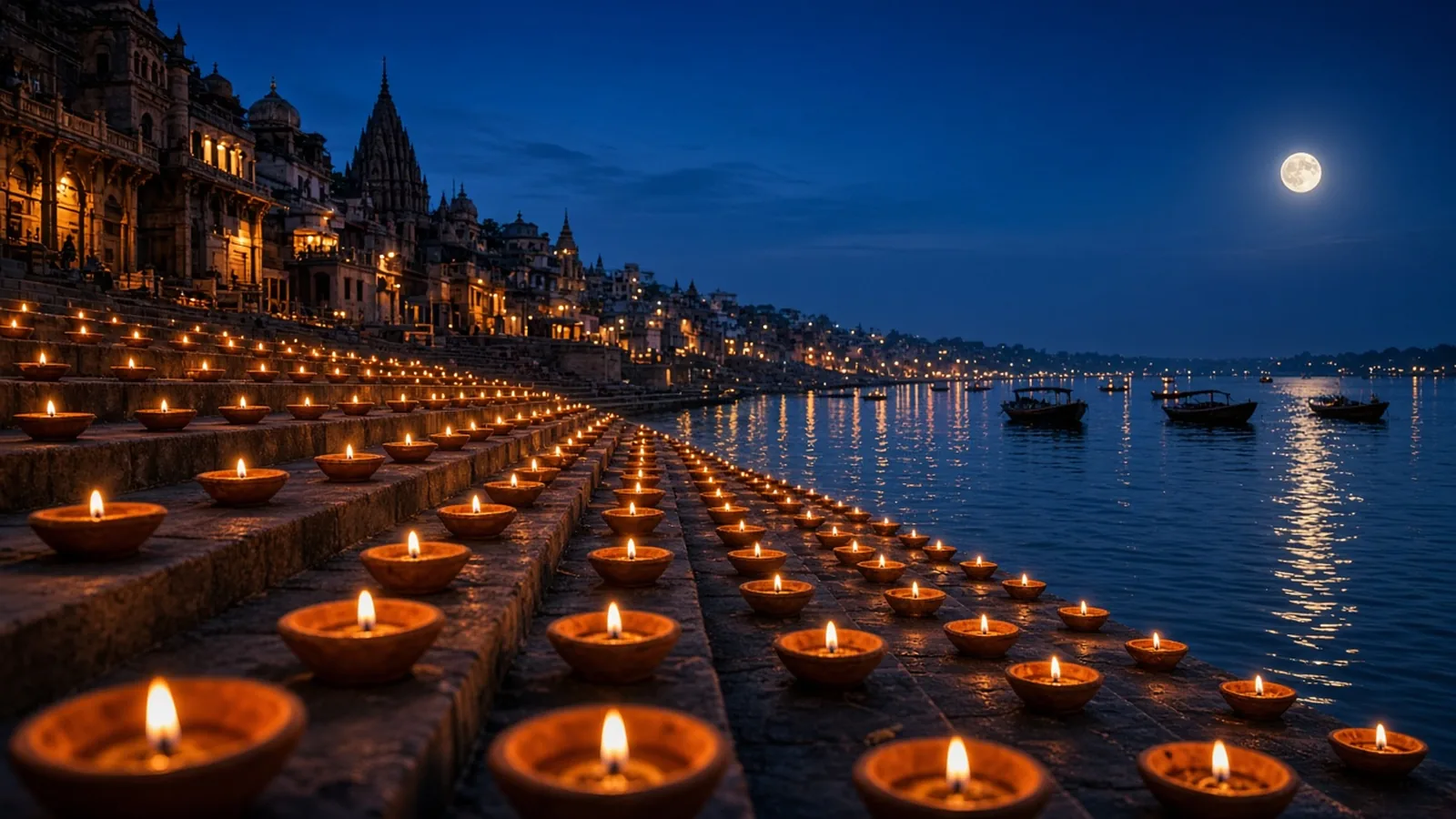
At its core, Diwali is an outward manifestation of an inner metaphysical reality. The lighting of thousands of earthenware lamps (diyas) symbolizes the awakening of the inner light—the *Atman* or soul—over the dense layers of spiritual ignorance (*Avidya*). In Sanatan philosophy, Goddess Lakshmi does not merely represent gold, silver, or paper currency; she is *Sri*, the divine principle of grace, order, beauty, fertility, and cosmic harmony.
When we clean our homes and place lamps on thresholds during Diwali 2026, we are ritually purifying the field of consciousness (the body and mind) so that divine grace may descend. As detailed in ancient Vedic texts like the Sri Sukta of the Rigveda, Lakshmi is radiant as gold, blazing like fire, and bestowing immortality and wealth upon the sincere seeker.
Scriptural Legends of Deepawali
Several monumental historical and mythological milestones converge on the night of Diwali:
- Return of Lord Rama to Ayodhya: After fourteen years of rigorous exile and the righteous destruction of Ravana, Maryada Purushottam Lord Rama, Sita Mata, and Lakshmana returned to Ayodhya. The jubilant citizens illuminated the entire kingdom with earthen lamps to light their victorious path.
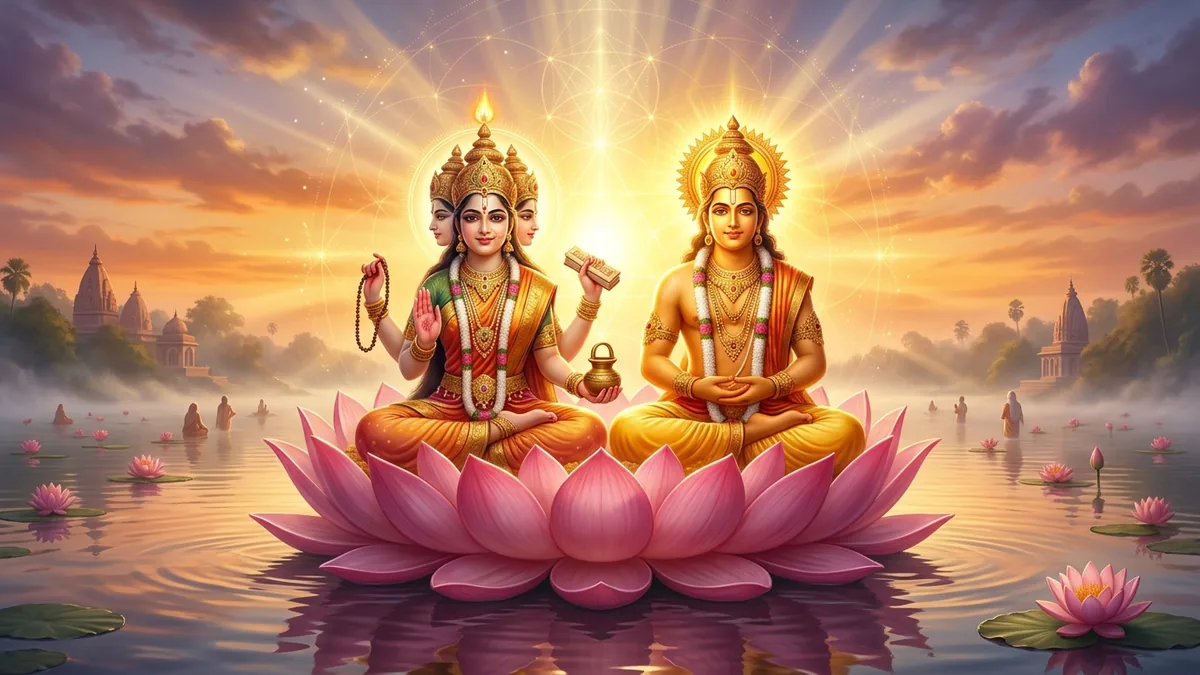
- Incarnation of Goddess Lakshmi: According to the Puranas, during the cosmic churning of the ocean (*Samudra Manthan*), Goddess Lakshmi emerged from the primordial milky ocean on the new moon day of Kartik, choosing Lord Vishnu as her eternal consort.
- Liberation by Lord Krishna: On this auspicious eve, Lord Sri Krishna defeated the tyrannical demon Narakasura, liberating 16,100 imprisoned princesses and restoring righteousness to the earthly realm.
- King Bali and Vamana Avatar: The day also marks the liberation of the three worlds from the benevolent yet proud demon king Mahabali by Lord Vishnu’s dwarf incarnation, Vamana.
Let us reflect upon a sacred invocation from the Vedic tradition often chanted during goddess worship:
ॐ श्रीं महालक्ष्म्यै च विद्महे विष्णुप्रियायै च धीमहि तन्नो लक्ष्मीः प्रचोदयात् ॥
Om Śrīṃ Mahālakṣmyai ca vidmahe Viṣṇupriyāyai ca dhīmahi tanno Lakṣmīḥ pracodayāt ॥
Word-by-Word Meaning:
Om (Pranava) | Śrīṃ (Bija mantra of Lakshmi) | Mahālakṣmyai (To the Great Goddess of Wealth) | ca (and) | vidmahe (we know / contemplate) | Viṣṇupriyāyai (to the beloved consort of Lord Vishnu) | ca (and) | dhīmahi (we meditate) | tannah (may that) | Lakṣmīḥ (Goddess Lakshmi) | pracodayāt (inspire and illuminate our intellect).
Step-by-Step Lakshmi Puja Vidhi & Chopda Pujan
Performing Lakshmi Puja and Chopda Pujan (account book consecration) during Diwali 2026 requires devotion, cleanliness, and precise ritual steps. Follow this authentic vidhi:
- Purification (Shuddhi): Clean the entire house thoroughly during Dhanteras and early on Diwali day. Sprinkle Gangajal across all rooms to purify the subtle atmospheric vibrations.
- Altar Establishment: Set up a wooden chowki in the northeast (Ishan Kona) or east of your puja room. Spread a red silk cloth and place a handful of grains (wheat or rice) in the center. Place a Kalash filled with water, sacred leaves, a supari, and a coin inside.
- Placement of Deities: Place idols or pictures of Goddess Lakshmi (in her seated posture with gold coins pouring) to the right, and Lord Ganesha (remover of obstacles) to the left.
- Sankalp and Achamana: Purify yourself with water sipping (Achamana), wear clean traditional attire, and take a mental vow (*Sankalp*) stating your family lineage and intent for the puja.
- Shodashopachara Puja: Offer vermilion (kumkum), turmeric (haldi), sandalwood paste (chandan), fresh lotus or marigold flowers, unbroken rice grains (akshat), incense (agarbatti), and a deepam. Offer sweet delicacies like kheer, laddoos, and betel leaves.
- Chopda Pujan (Account Books): Business owners place new ledger books or accounting ledgers (*Chopda*) in front of Goddess Lakshmi and Lord Ganesha, writing “Shubh” and “Labh” with turmeric and kumkum to invite honest prosperity.
- Aarti and Pradakshina: Sing the traditional “Om Jai Lakshmi Mata” aarti with complete devotion while ringing a brass bell. Conclude with silent meditation and prostration.
Regional Celebrations Across Bharat
Diwali is celebrated with unique regional flavors and profound spiritual nuances across the length and breadth of India:
- North India: Focuses heavily on the Ramayana narrative, bursting fireworks, distributing sweets, and grand family gatherings.
- West India (Gujarat & Maharashtra): Marks the culmination of the financial year with Chopda Pujan, accompanied by vibrant rangolis and vibrant markets.
- East India (West Bengal & Odisha): Celebrated as Kali Puja, where devotees worship the fierce, liberating form of Goddess Mahakali at midnight to cut through ego and ignorance.
- South India: Celebrated primarily on Naraka Chaturdashi (Choti Diwali) with oil baths before sunrise, symbolizing cleansing from impurities, followed by temple visits and exquisite sparklers.
Just as understanding the cosmic laws of the Law of Karma governs our destiny, our actions and offerings during these sacred days accumulate positive spiritual merit.
Fasting Rules: Dos and Don’ts
Observing a fast (*Vrat*) on Diwali enhances physical detoxification and mental focus. Adhere to these essential guidelines:
- DO maintain strict physical and mental hygiene throughout the day.
- DO consume only light, sattvic foods, fruits, and milk if you are unable to keep a complete waterless fast until after the puja.
- DO keep all doors and windows brightly lit during evening hours to symbolically welcome Goddess Lakshmi.
- DON’T consume alcohol, non-vegetarian food, or use harsh words during the festival days, as lower vibrational energies repel divine grace.
- DON’T sleep immediately after the night puja; keep vigilant and maintain a peaceful, meditative atmosphere at home.
Spiritual and Vedic Connection
At its highest esoteric level, Diwali represents the realization of the transcendental light of Brahman within the cave of the heart (*Hridaya Guha*). The earthen lamp is the physical body, the oil is our devotion and surrender, the cotton wick is our focused intellect, and the flame is the Supreme Spirit (*Paramatma*). When this inner lamp burns steadily without flickering by the winds of worldly desires, true liberation (*Moksha*) is attained. Celebrating Diwali 2026 with this profound awareness transforms an external cultural holiday into an internal pilgrimage of the soul.
Read More on InVedas
- Kartik Purnima 2026: Date, Tithi Timings, Dev Deepawali Muhurat, Tripurasura Legend & Rituals
- Gayatri Mantra Meaning & Spiritual Science 2026
- Law of Karma Types Explained: Sanchita, Prarabdha & Agami 2026
- Prithvi Sukta of the Atharvaveda: Meaning of the 63-Verse Hymn to Mother Earth
Frequently Asked Questions
When is Diwali in 2026?
Diwali in 2026 will be celebrated on November 8, 2026, coinciding with the Kartik Amavasya tithi when evening pradosh and Vrishabha lagna prevail.
What is the best muhurat for Lakshmi Puja on Diwali 2026?
The most auspicious time for Lakshmi Puja on Diwali 2026 is during the Pradosh Kala and Vrishabha Lagna, typically spanning between 05:35 PM and 08:18 PM (IST).
Why is Chopda Pujan performed on Diwali?
Chopda Pujan is a traditional ritual where business owners open new account ledgers and invoke Goddess Lakshmi and Lord Ganesha to bless their ventures with honesty, stability, and financial growth.
What should be offered during Lakshmi Puja?
Standard offerings include lotus or marigold flowers, kumkum, turmeric, unbroken rice grains (akshat), sweets like kheer and laddoos, betel leaves, and coin offerings placed before the deities.
Is fasting mandatory on Diwali?
Fasting is not strictly mandatory, but many devotees keep a fruit-and-milk (phalahar) fast throughout the day until the completion of evening Lakshmi Puja to maintain spiritual purity.
Om Shanti Shanti Shantiḥ — May peace prevail in our hearts, our homes, and across the entire cosmos.