The Katha Upanishad Chariot analogy stands as one of the most powerful and enduring allegories in Sanatan philosophy, offering a timeless blueprint for human psychology and spiritual awakening. Nestled within the Krishna Yajurveda, this sacred text narrates the profound dialogue between the young seeker Nachiketa and Yama, the Lord of Death. Among its rich repository of metaphysical wisdom, the parable of the chariot provides an extraordinarily practical framework for understanding how the human constitution functions—mapping out the complex interplay between the physical body, the senses, the restless mind, the discriminating intellect, and the transcendental soul.
As seekers on the path of self-realization, modern readers often struggle with the abstract nature of consciousness. However, by turning to the ancient wisdom preserved on platforms like InVedas, we discover that Vedic scriptures break down these cosmic truths into relatable, everyday imagery. Whether you are navigating the chaotic demands of modern life or seeking deeper meditative stability, understanding this allegorical chariot is the first essential step toward mastering your inner domain.
In this comprehensive guide, we will explore the structural anatomy of the Katha Upanishad chariot, analyze the authentic Sanskrit verses, unpack the profound psychological implications, and discover how this ancient teaching harmonizes with our broader understanding of the Pancha Koshas and Vedic cosmology.
Table of Contents
Origin and Context of the Katha Upanishad
The Katha Upanishad belongs to the Katha school of the Krishna Yajurveda and is traditionally revered as one of the principal (Mukhya) Upanishads. Its narrative framework centers around Sage Vajasravasa, who performs a sacrifice and gives away old, barren cows. His young son Nachiketa, wishing to save his father from spiritual demerit, repeatedly asks, “To whom will you give me?” Irritated, the father exclaims, “I give you unto Death (Yama).”
Demonstrating unwavering integrity, Nachiketa travels to the abode of Yama. Finding the Lord of Death absent, the boy waits three days without food or water. Impressed by this supreme display of discipline and qualification for spiritual knowledge, Yama grants him three boons. For his third and final boon, Nachiketa asks the ultimate metaphysical question: What happens to a human being after physical death? Does the soul survive, or is it annihilation? Yama attempts to divert him with worldly riches, but Nachiketa remains steadfast. Pleased by his dispassion, Yama imparts the supreme Brahmavidya, utilizing the iconic metaphor of the chariot to explain the mechanics of human existence.
The Anatomy of the Chariot: Sanskrit Shloka & Breakdown
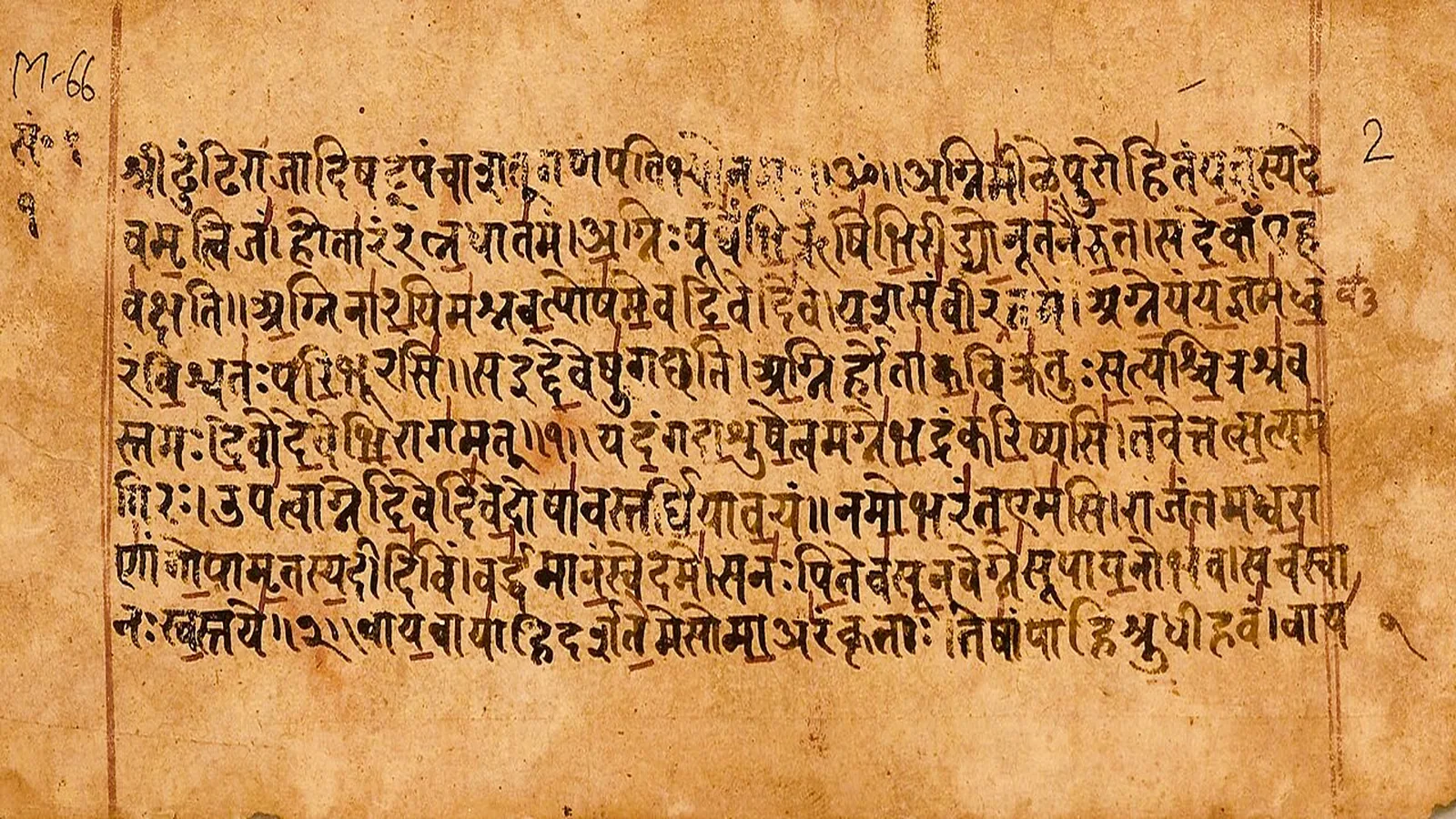
To fully grasp the depth of this teaching, we must examine the original Sanskrit verses where Yama unveils the structural components of the human chariot. The core of this teaching is articulated in the third chapter (Adhyaya 1, Valli 3), Verses 3 and 4:
आत्मानं रथिनं विद्धि शरीरं रथमेव तु।
बुद्धिं तु सारथिं विद्धि मनः प्रग्रहमेव च॥ ३॥
इन्द्रियाणि हयानाहुर्विषयांस्तेषु गोचरान्。
आत्मेन्द्रियमनोयुक्तं भोक्ता३ त्माहुर्मनीषिणः॥ ४॥Ātmānaṃ rathinaṃ viddhi śarīraṃ ratham eva tu,
Buddhiṃ tu sārathiṃ viddhi manaḥ pragraham eva chāḥ.
Indriyāṇi hayān āhur viṣayāṃs teṣu gocarān,
Ātmendriya-mano-yuktaṃ bhoktātmāhur manīṣiṇaḥ.Padachheda & Word-by-Word Meaning:
• Ātmānaṃ (आत्मानम्) = The Atman, the master or owner of the chariot.
• Rathinaṃ (रथिनम्) = The rider.
• Śarīraṃ (शरीरम्) = The body.
• Ratham (रथम्) = The chariot.
• Eva tu (एव तु) = Indeed.
• Buddhiṃ (बुद्धिम्) = The intellect.
• Sārathiṃ (सारथिम्) = The charioteer.
• Manaḥ (मनः) = The mind.
• Pragraham (प्रग्रहम्) = The reins.
• Indriyāṇi (इन्द्रियाणि) = The senses.
• Hayān (हयान्) = The horses.
• Viṣayān (विषयान्) = The objects of the senses (roads/paths).
• Bhoktā (भोक्ता) = The experiencer or enjoyer.
This magnificent verse forms the bedrock of Vedantic psychology. It seamlessly connects the gross physical reality with the subtle instruments of perception and the transcendental spirit residing within.
Mapping the Chariot Components: Senses, Mind, and Intellect
To make this allegorical framework actionable, let us break down each element of the chariot and understand how they interact within our daily lives:
- The Rider (Atman / Soul): Seated quietly within the chariot is the master, the true Self. The rider does not drive the horses, hold the reins, or steer; rather, the rider observes the journey, reaping the experiences of the voyage.
- The Chariot (Sharira / Physical Body): The chariot represents the gross physical form, the vehicle through which we navigate the empirical world. Just as a chariot needs maintenance, our physical body requires care, proper nutrition, and health to function effectively.
- The Charioteer (Buddhi / Intellect): The charioteer sits at the front, holding ultimate operational responsibility. Buddhi represents discernment, wisdom, and decision-making capability. A sharp intellect guides the journey wisely, while a weak intellect lets the vehicle crash.
- The Reins (Manas / Mind): The reins connect the charioteer to the horses. Manas represents the emotional, reactive mind—the faculty of desire, doubt, and impulse. If the reins are loose or torn, the driver loses control.
- The Horses (Indriyas / Senses): The five horses represent our senses of perception (sight, hearing, taste, touch, smell). Horses are naturally powerful, energetic, and prone to running in five different directions toward attractive pastures.
- The Roads (Vishayas / Sense Objects): The paths upon which the horses gallop are the worldly objects of temptation—sights, sounds, flavors, textures, and aromas that pull the senses outward.
| Chariot Element | Vedic Term | Psychological / Spiritual Equivalent | Function in Human Life |
|---|---|---|---|
| Rider | Atman | The Pure Self / Consciousness | The silent witness and master of existence. |
| Chariot | Sharira | Physical Body | The gross vehicle for experiential learning. |
| Charioteer | Buddhi | Intellect & Discernment | Guides, analyzes, and directs the life path. |
| Reins | Manas | Mind & Emotional Impulse | Regulates and connects intellect with senses. |
| Horses | Indriyas | Five Sense Organs | Drive the individual toward external objects. |
| Roads | Vishayas | Worldly Sensory Objects | The landscape of desires and temptations. |
The Role of the Driver (Buddhi) and the Reins (Manas)
The real drama of the Katha Upanishad chariot unfolds in the dynamic relationship between the charioteer (Buddhi) and the reins (Manas). In subsequent verses (5 and 6), Yama warns that if a person lacks discrimination—meaning their intellect is dull and undisciplined—their senses (horses) become completely unruly, akin to vicious, unmanaged horses of a chariot driver. In such an uncontrolled individual, the mind wanders aimlessly, leading to perpetual suffering and the endless cycle of rebirth (Samsara).
Conversely, when the charioteer is equipped with clear wisdom and vigilance, the reins remain taut and responsive. The mind is calmed, and the senses are restrained from chasing destructive sense objects. This psychological mastery reflects the core principles discussed in broader Vedic studies, such as maintaining equilibrium amidst the states of consciousness where external distractions dissolve into inner awareness.
Practical Modern Application: Mastering Daily Mindfulness
How do we apply the Katha Upanishad chariot analogy in the 21st century? Modern digital life bombards our senses (horses) with constant notifications, social media feeds, and sensory stimuli. If our intellect (charioteer) is weak, our mind (reins) drops, and our senses bolt wildly toward endless distraction, anxiety, and burnout.
To practice spiritual mastery using this ancient framework:
- Strengthen Your Buddhi (Intellect): Engage in regular scriptural study, critical thinking, and contemplation of higher truths rather than reacting blindly to emotional impulses.
- Tighten the Reins (Mindfulness): Practice meditation and breath control (Pranayama) to stabilize the reactive mind, ensuring it listens to the intellect rather than the unruly senses.
- Guard Your Senses (Indriyas): Exercise *Pratyahara* (withdrawal of the senses), consciously limiting exposure to toxic environments and sensory overload.
- Remember the Rider: Constantly remind yourself that you are not your body, mind, or chaotic thoughts, but the eternal, peaceful witness residing within.
Read More on InVedas
- Prashna Upanishad Prana: 6 Cosmic Breath Inquiries (2026)
- Mandukya Upanishad AUM: 4 States of Consciousness (2026)
- Isha Upanishad Verse 1 (2026): Meaning & Non-Attachment
- 14 Lokas in Vedic Cosmology: Meaning, Hierarchy & Modern Science
Frequently Asked Questions
What does the chariot represent in the Katha Upanishad?
In the Katha Upanishad, the chariot represents the physical human body (Sharira) that carries the soul through the journey of life and experience.
Who are the horses in the Katha Upanishad chariot analogy?
The five horses represent the five sense organs (Indriyas)—sight, hearing, taste, touch, and smell—which naturally pull the human being toward external sensory objects.
What is the role of the charioteer in this Vedic allegory?
The charioteer represents the intellect (Buddhi), whose sacred duty is to exercise discrimination, hold the reins firmly, and guide the senses along the path of righteousness.
Who is the rider of the chariot?
The rider is the Atman or the true spiritual Self (soul), who remains the silent observer and experiencer of life’s journey while seated within the chariot of the body.
How does the Katha Upanishad help in daily meditation?
The chariot analogy provides a clear psychological map for mindfulness, teaching seekers how to train their reactive mind and rein in wild senses to achieve inner peace and self-realization.
Om Shantiḥ Shantiḥ Shantiḥ.
May peace, peace, and absolute peace prevail in our bodies, minds, and souls.

ॐ One Reflection on “Katha Upanishad Chariot Analogy (2026): Master Your Mind”